
You don’t need a published game to call yourself a designer. If you want to be one, just start designing and you already are one.
WannabeBoardGameDesigner.com is a learning journal. An ongoing project to collect resources and share stories and information about the board game design for anyone interested in board games.
I share what I’m learning as I go, from first prototypes to playtests gone wrong, so you can skip a few mistakes and join the fun.

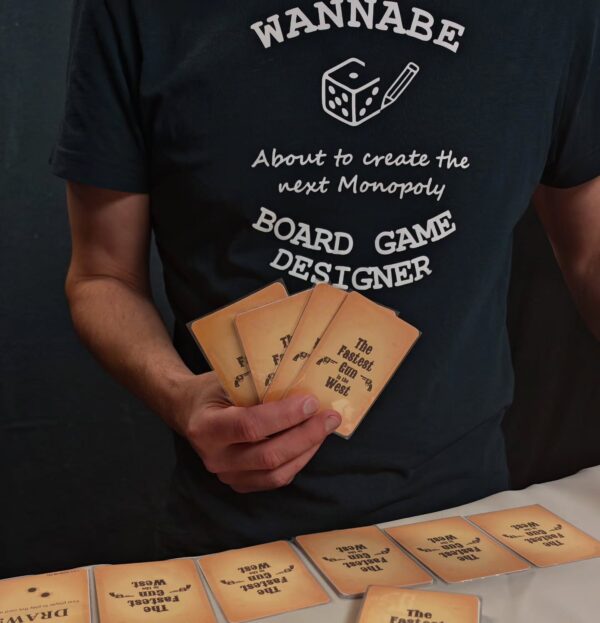 The Fastest Gun in the West. Still under development, but has already won Tabletop Creator's Board Game Creation Contest –…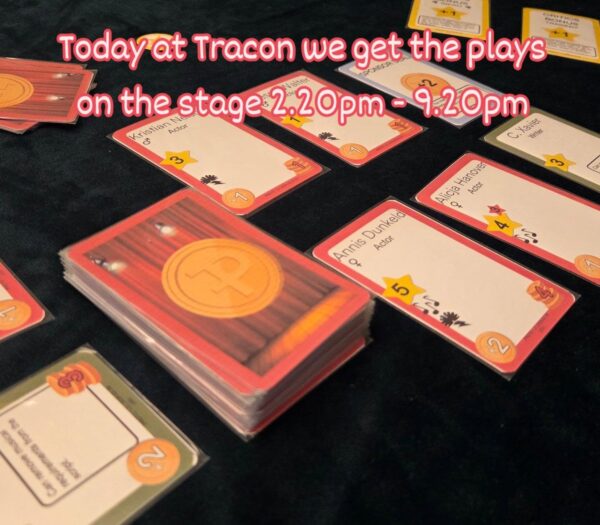
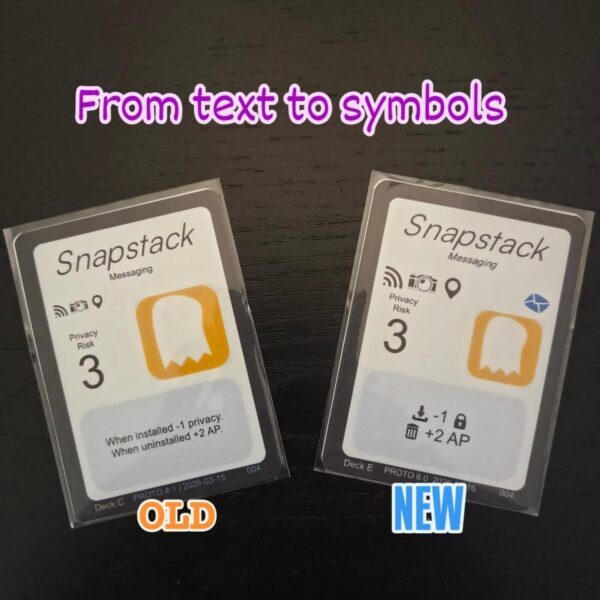
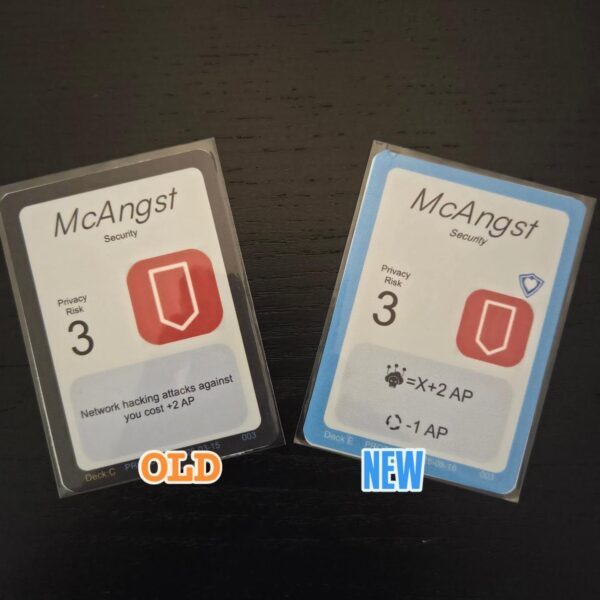
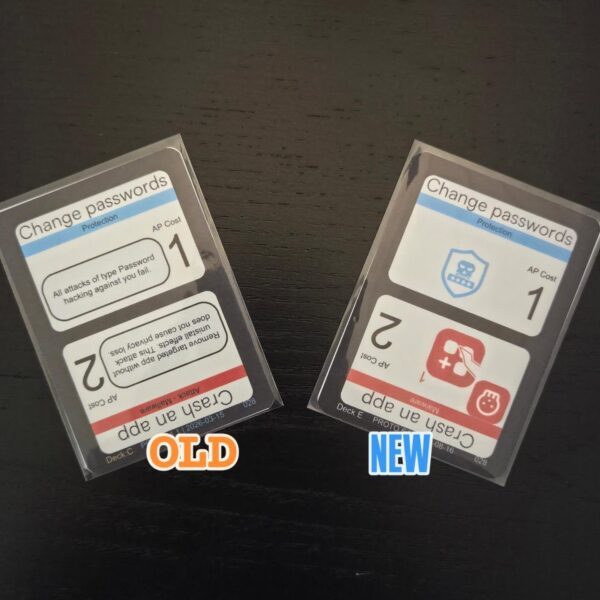
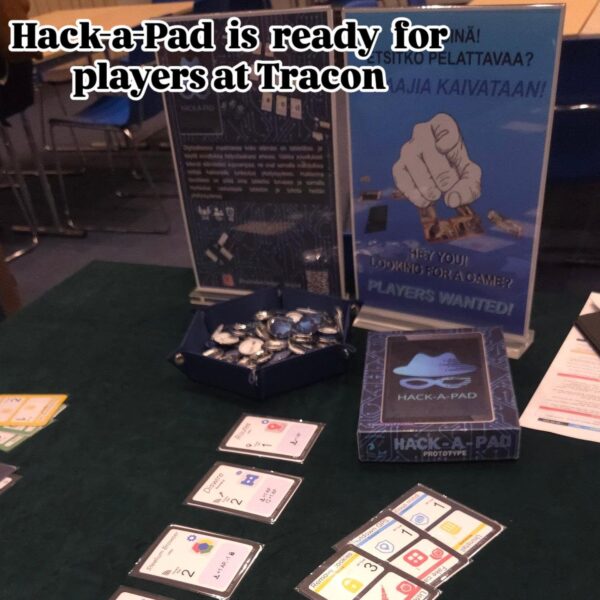 Join me at @tracon_fi today and test new version of Hack-a-Pad.
#boardgamedesign #boardgameprototype #playtesting #tracon
Join me at @tracon_fi today and test new version of Hack-a-Pad.
#boardgamedesign #boardgameprototype #playtesting #tracon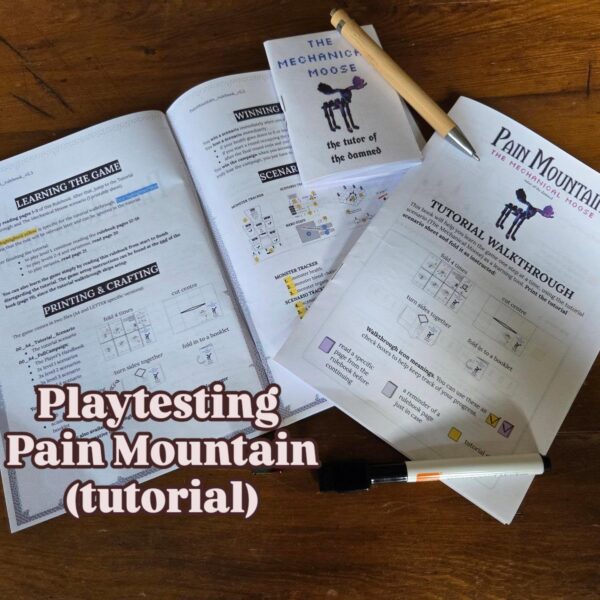
 +1 more
 19.5 hours of board game design concentrated in about 20 mins. youtu.be/p0zMb3jETtE #designdiary #boardgamedesign #wildwestgame #24hourchallenge #designprocess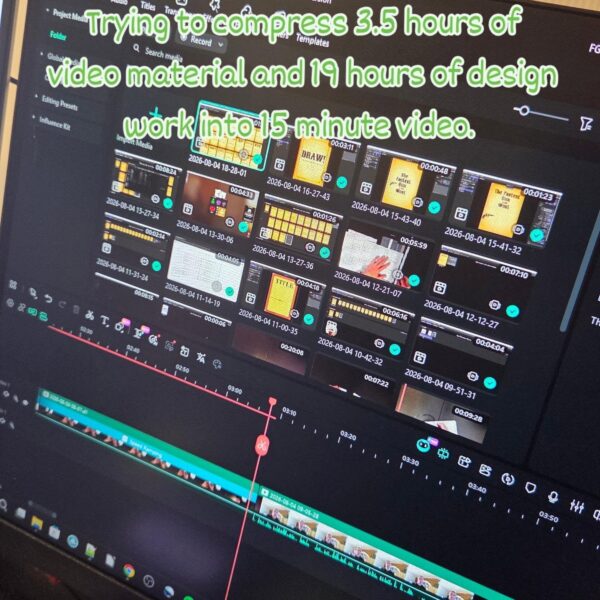
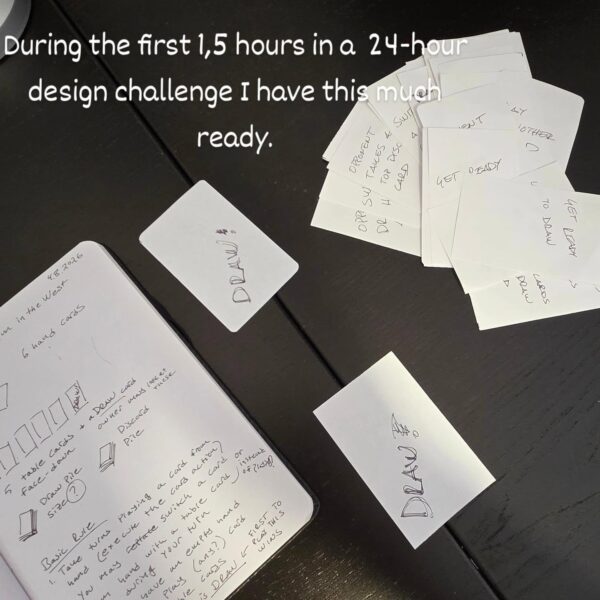 ring the first 1,5 hours in a 24-hour design challenge I have this much ready. 1 page rules draft, about…
 Follow me while I try to make a full playable game in just 24 hours. (www.youtube.com/playlist?list=PLZgKrVRWElz4) This time the BGG…
-

5 Up game review with a test play by Teddy and Doggy
Diaries of a wannabe board game designer, entry date 30th May 2025
A great part of being a board game designer is playing games that others make and learning from them.
In this episode of Diaries of a Wannabe Board Game Designer, I’m diving into “5 Up,” a small, push-your-luck dice game by Peliko. I’ll share my first impressions, walk you through the gameplay, put the game’s claimed 15-minute playtime to the test, and wrap up with my personal thoughts and designer insights.
-

Finding new ideas for board games
Diaries of a wannabe board game designer, entry date 16th May 2025
Ever wonder where board game ideas truly originate? In this entry from “Diaries of a Wannabe Board Game Designer” (Entry Date: May 16, 2025), I’m sharing my journey of discovering inspiration in the most unexpected places!
We’ll explore:
✨ How everyday life – from playful pets to the ins and outs of your day job (past and present!) – can spark incredible game concepts.
🤔 The big question: Can any theme, even something seemingly mundane like accounting or watching paint dry, be transformed into an engaging board game?
💡 A personal story about the surprising catalyst for my first serious game design project (hint: it involved a much-needed digital detox!).
🧠 How stepping away from screens and daily distractions can supercharge your creative thinking and help bring your own unique ideas to life.